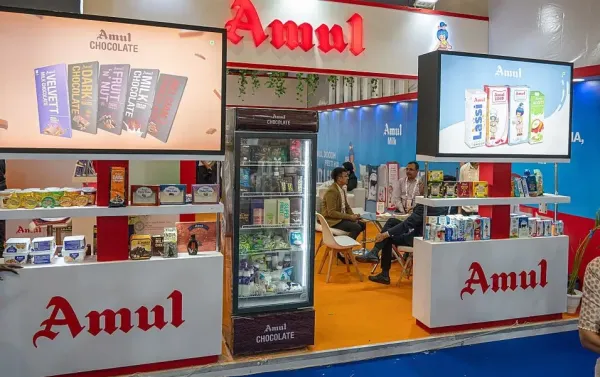
Amul is the first fast-moving consumer goods (FMCG) company in India to cross ₹1 trillion in turnover, which is a historic accomplishment for the country’s consumer goods sector. The dairy powerhouse has once again proven the value of scale, trust, and a firmly established cooperative model with an 11% growth in FY26.
This essay will explore the factors that led to this milestone, Amul’s global expansion, and the future of India’s most recognizable dairy brand.
Credits: X.com
Growth Fueled by Domestic Expansion
Amul’s aggressive push through India’s hinterlands has been a key factor in its record-breaking achievement. The business greatly increased the size of its distribution network, focusing on smaller communities with more than 5,000 residents.
By using this tactic, Amul was able to capitalize on the growing demand for branded dairy products in Tier 2 and Tier 3 markets. The company has significantly expanded its customer base by enhancing last-mile connection and guaranteeing product availability even in distant places.
Amul has a competitive advantage in both urban and rural markets thanks to its ability to blend price with quality, making it a household staple.
Global Footprint Gets Stronger
Amul is making daring foreign efforts in addition to its continued strong domestic growth. An important step toward bringing Indian dairy goods to the world’s stores is the company’s expansion of its fresh milk offerings in areas like Europe and the US.
Amul, which already operates in more than 50 nations, is considering expanding further throughout Southeast Asia and Africa. In order to further its goal of becoming a genuinely global dairy brand, the company intends to enter about ten new international markets in the coming year.
This global drive is more than just exports; it’s a calculated attempt to increase brand awareness and reach new markets across the globe.
Product Diversification Driving Demand
Amul’s growing product line is another important component of its success story. The company has shifted its focus from traditional dairy products to high-growth markets including organic, probiotic, and protein-rich goods.
Demand for value-added products like cheese and buttermilk has been high, greatly boosting overall revenue growth. Amul continues to innovate and adjust to changing consumer demands with more than 1,200 goods in its range.
In a market where premium and health-conscious consumption trends are quickly gaining hold, this diversification strategy guarantees that the brand stays relevant.
Understanding the Revenue Numbers
While Amul’s total turnover crossed ₹1 trillion, its marketing arm, Gujarat Cooperative Milk Marketing Federation (GCMMF), reported revenue of ₹73,450 crore for FY26, marking an 11.4% increase from the previous year.
The difference between these figures lies in the cooperative structure. Multiple regional dairies operate under the Amul brand, but their revenues are not fully consolidated under GCMMF. Additionally, certain components like cattle feed sales are included in the overall turnover but excluded from GCMMF’s revenue reporting.
This unique structure highlights the complexity—and strength—of Amul’s decentralized yet unified ecosystem.
The Power of the Cooperative Model
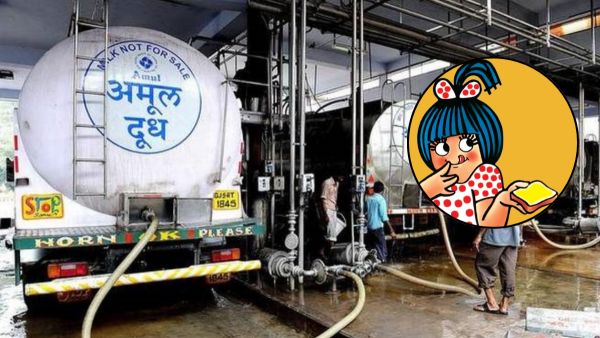
At the heart of Amul’s success lies its cooperative framework, which connects over 3.6 million dairy farmers across India. The structure includes 18 district unions that collectively ensure efficient procurement, processing, and distribution.
This model not only empowers farmers by giving them direct access to markets but also ensures that profits are equitably shared. It is a rare example of scale meeting inclusivity, where growth benefits millions at the grassroots level.
Industry leaders have credited this milestone to the trust of consumers and the relentless contribution of farmers, reaffirming the resilience of the cooperative system.
Credits: Bumppy Media
What Lies Ahead
Amul is still hopeful about maintaining double-digit growth in the future. The business is well-positioned to maintain its momentum with ongoing investments in distribution, innovation, and international development.
Amul’s path symbolizes more than just financial prosperity; it is the transformation of a farmer-owned company into a major force in the world economy. In addition to revolutionizing the FMCG industry in India, the brand is demonstrating how inclusive growth can prosper in a globalized market as it reaches new heights.
Amul’s trillion-rupee milestone is more than just a figure; it’s a tale of aspiration, tenacity, and teamwork from rural milk farmers to global markets.
Contact to : xlf550402@gmail.com
Copyright © boyuanhulian 2020 - 2023. All Right Reserved.