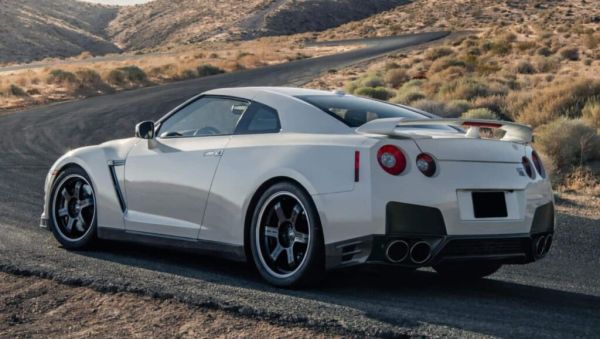
The next chapter of the legendary Nissan GT-R is officially taking shape, and fans finally have something concrete to hold onto. After years of speculation, Nissan has confirmed that the much-anticipated R36 GT-R is already in development. More importantly for enthusiasts, the next Godzilla will not go fully electric.
During a recent visit to Nissan’s global headquarters in Yokohama, senior executives shared fresh details about the future of the iconic performance car. While the company remains focused on electrification across much of its lineup, the GT-R appears set to follow a different route.
Nissan Says No to Full Electric GT-R
Richard Candler, Nissan’s global head of product strategy, made it clear that a battery-electric GT-R is not part of the immediate plan.
According to him, today’s battery technology still falls short of what a GT-R needs to deliver. The brand believes current lithium-ion battery systems add too much weight and do not yet offer the sustained performance expected from a car carrying the GT-R badge.
That decision will likely come as a relief to purists who feared the next GT-R could lose the raw character that made earlier generations famous.
For decades, the GT-R has built its reputation on brutal acceleration, sharp handling, and mechanical drama. Nissan seems aware that simply adding electric motors and heavy batteries is not enough to recreate that formula.
Hybrid Power Looks Certain
While a full EV is off the table for now, the next Nissan GT-R is still expected to embrace electrification in another form.
With tightening emissions rules in Europe, Japan, and several global markets, Nissan acknowledged that some level of electrified assistance is unavoidable. That strongly points toward a hybrid powertrain.
This setup could be the ideal middle ground. A petrol engine paired with electric assistance would help improve efficiency while also boosting low-end torque and throttle response. In other words, it could make the next GT-R faster while helping it survive modern regulations.
Big Pressure, Bigger Expectations
Replacing the Nissan GT-R will not be easy. The R35 stayed in production for nearly two decades and earned cult status for delivering supercar pace at a far lower price than many European rivals.
Any successor will need to preserve that same disruptive spirit.
The upcoming model is expected to feature aggressive styling, advanced all-wheel-drive technology, and a heavily upgraded performance platform. Nissan has not confirmed launch timing, but industry watchers believe the R36 could arrive within the next few years.
Why This Matters
Sports cars are disappearing, downsizing, or going silent. That is why Nissan’s decision matters. Instead of rushing the GT-R into an all-electric future, the company appears willing to wait until technology can genuinely support the badge.
That patience could pay off.
If Nissan gets the formula right, the next Nissan GT-R may prove there is still room for emotion, noise, and engineering drama in an increasingly regulated automotive world.
For now, one thing is clear: Godzilla is coming back, and it still plans to roar.
Contact to : xlf550402@gmail.com
Copyright © boyuanhulian 2020 - 2023. All Right Reserved.