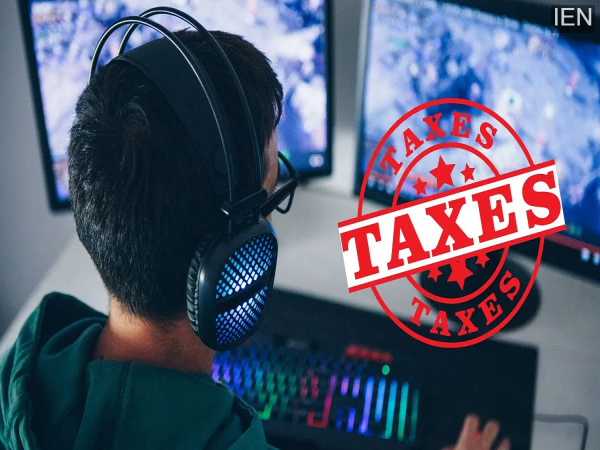
Online gaming in India is no longer just about fun—it now comes with serious tax implications. From May 1, new rules have come into effect that significantly change how income from different types of games is taxed. Whether you play casually or for money, understanding these changes is essential to avoid unexpected tax liabilities.
30% Flat Tax on Online Money Games
The biggest impact is on online money-based games, where players stake money with the aim of winning rewards. Under the new system:
- A flat 30% tax is लागू on winnings
- Tax applies regardless of overall profit or loss
- No deduction for losses is allowed
This means even if you lose money overall, any winnings you receive will still be taxed at 30%.
No Relief for Losses
One of the most critical aspects of the new rule is that players cannot offset losses against winnings. For example, if you lose ₹10,000 and win ₹5,000, you will still have to pay tax on ₹5,000 without considering your losses.
Failure to disclose such income can lead to heavy penalties, sometimes exceeding the actual winnings.
How Different Game Categories Are Taxed
1. Online Money Games
Examples include fantasy sports and real-money platforms.
- Considered high-risk, stake-based gaming
- 30% flat tax + TDS applies
- Loss adjustment not allowed
2. eSports and Skill-Based Competitions
Professional gaming tournaments fall under skill-based categories.
- Recognized under structured frameworks
- Online prize winnings may attract 30% TDS
- Offline (LAN-based) events may follow standard income tax rules
3. Casual or Social Games
Games played purely for entertainment without monetary stakes—like quiz apps or casual chess and Ludo—are treated differently.
- No money involved = No tax liability
- Purely recreational use
4. In-Game Tokens and Virtual Currency
Even digital coins or credits used in games may be treated as monetary value.
- Considered equivalent to money in some cases
- Tax rules similar to money-based games may apply
Why This Change Matters
The government aims to bring clarity and transparency to the rapidly growing online gaming sector. With increasing participation and real-money involvement, taxation ensures better regulation and accountability.
What Gamers Should Keep in Mind
Before spending money on any gaming app, ask yourself:
- Am I playing for entertainment or for monetary gain?
- Does the game involve real-money staking?
- Am I prepared for a 30% tax on winnings?
Your answers will determine your tax liability.
Final Thoughts
The new tax framework has made online gaming more structured but also more expensive for players who participate in money-based games. While casual gamers remain unaffected, those playing for real money must now factor in taxation while calculating potential gains.
Understanding these rules can help you make smarter decisions—and avoid surprises when it comes to taxes.
Contact to : xlf550402@gmail.com
Copyright © boyuanhulian 2020 - 2023. All Right Reserved.