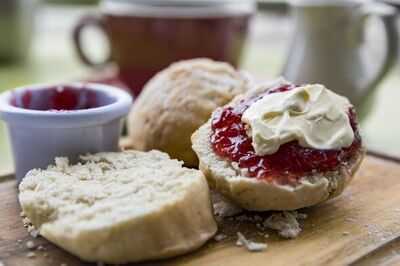
There's something unmistakably comforting about a freshly baked scone, still warm, split open and topped with jam and cream alongside a cup of tea. While scones are often seen as an easy bake, getting them perfectly light and fluffy can take a bit of know-how. However, there's one easy though lesser known technique that can make a big difference.
Scones themselves have a long history, with origins in Scotland dating back to the early 1500s. Originally made with oats and cooked over an open fire, they were quite different from the versions we enjoy today. Modern scones are typically made with flour and baked in the oven, becoming a staple of afternoon tea across the UK and beyond.
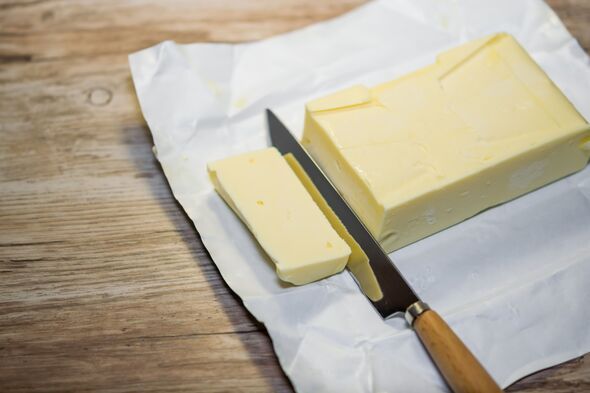
For the best rise possible, some experts recommend using butter straight from the fridge, or even better, from the freezer. Keeping the butter as cold as possible ensures it doesn't melt too early when mixed into the dough.
Instead, it stays in small pieces that melt only once the scones hit the oven, releasing steam and helping the mixture lift. This creates a lighter texture and those soft, flaky layers that define a really good scone.
Cottage Delight, based in Leek, Staffordshire, is a food manufacturer founded in 1974 which originally created handmade butter fudge. Over the years, Cottage Delight's range has grown to include jams, marmalades, curds, chutneys, table sauces and many more.
The firm has shared its top tips for making the "perfect scones" and achieving "light", "crumbly" results, with one key recommendation being to use cold, or even frozen, butter.It wrote: "For a better rise, preferably use cold butter or even frozen butter. Frozen butter can be a nuisance to cut so we advise grating with the fine side of a cheese grater first. The colder the better when it comes to scones, we recommend a chilled bowl and pastry cutter too."

Food blogger from Marcellina in Cucina also shared her recipe to make "light and fluffy scones every time." She stressed how you should start with "cold ingredients and keep everything cold."
Her tips and "secrets" she said she has learned over the years include "grating the cold (even frozen) butter into the flour and rub in but leave little 'pebbles' of butter for extra flakiness." She advised adding cold milk all at once and mixing quickly with the blade of a dinner knife, then turning the dough out onto a very lightly floured surface and kneading briefly, just long enough to count to 30.
She warned against adding too much extra flour, as the dough should stay slightly sticky. When cutting out scones, use a floured cutter and avoid twisting, simply press straight down (a floured glass works if needed). Once baked, wrap the scones in a clean tea towel straight away to help keep them soft and moist, she said.
Online, a food TiktoK account, italian_foodaholics, wrote about the freezing technique that resulted in "super flaky scones": "Freezing the butter was a game changer for me when making these."
In another video demonstrating how to make classic scones, pastry chef and cookbook author, Anna Olson, also recommended grating ice cold butter.
Contact to : xlf550402@gmail.com
Copyright © boyuanhulian 2020 - 2023. All Right Reserved.