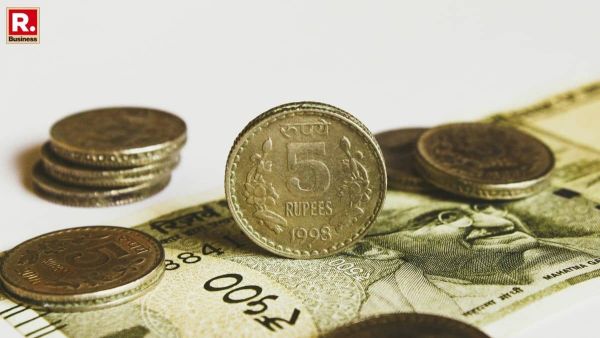
The Indian Rupee plummeted to a new record low on Tuesday morning. The local currency struggled against a surging US Dollar and a sharp spike in global energy costs.
Rupee (INR) opened at 95.10 and quickly slid to a fresh lifetime low of 95.32 against the US Dollar. This marks a significant decline from the previous close. The primary driver is the double-whammy of rising crude oil and the exit of foreign capital from Indian markets.
Crude Oil
Oil is the biggest trigger for the Rupee’s current pain. Brent crude has surged past $105 per barrel. Since India imports more than 80% of its oil, higher prices mean India must spend more dollars to buy the same amount of fuel.
This creates a massive demand for Dollars in the local market. When demand for the Dollar rises, the value of the Rupee naturally falls. The ongoing blockade in the Strait of Hormuz has only added to these supply-side fears. Traders now worry that a prolonged energy crisis will blow a hole in India’s current account deficit.
FPI Exodus and Dollar
Foreign Portfolio Investors (FPIs) are also pulling out of Indian equities at a rapid pace. On Monday alone, foreign investors sold shares worth over ₹8,400 crore. This "flight to safety" is a global trend.
Investors are moving their money back to the United States. They seek the safety of the US Dollar as geopolitical tensions in West Asia remain high. This massive sell-off in Dalal Street has left the Rupee without its usual capital inflow support.
RBI Watch
All eyes are now on the Reserve Bank of India (RBI). Market participants are waiting to see if the central bank will sell Dollars from its forex reserves to stabilize the currency.
While the RBI has a massive chest of foreign exchange reserves, the scale of the current global shock is unprecedented. Experts suggest that while the RBI may intervene to curb "extreme volatility," it may allow the Rupee to find its own level in line with other emerging market currencies.
Impact on the Common Man
A record-low Rupee has direct consequences for Indian households.
- Imported Inflation: Everything from electronic gadgets and mobile phones to edible oils will likely become more expensive.
- Foreign Education: Students heading abroad will face much higher costs as they have to shell out more Rupees for every Dollar in tuition fees.
- Fuel Prices: While the government has kept prices steady for now, a weak Rupee makes oil imports costlier. This puts immense pressure on fuel retailers to hike prices at the pump.
The Rupee is expected to remain under pressure in the short term. Much will depend on the upcoming US inflation data and the status of the global oil supply chain.
Contact to : xlf550402@gmail.com
Copyright © boyuanhulian 2020 - 2023. All Right Reserved.