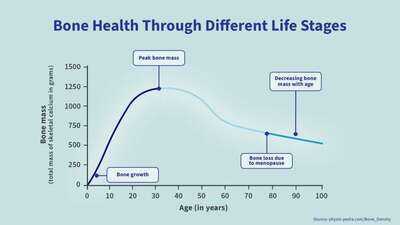
Menopause and bone loss
Our bones quietly support us through every stage of life, from growing years and busy adulthood to the transitions that come with age. But for women, one such transition menopause, marks a critical turning point for bone health.
It is during this phase that bone loss tends to increase, often without obvious signs. In fact, up to 20% of bone density can be lost in the first 5-7 years after menopause, highlighting the importance of early awareness and consistent calcium intake1.
This process often occurs silently and may not always present with clear symptoms. Some individuals may experience early symptoms of calcium deficiency as:
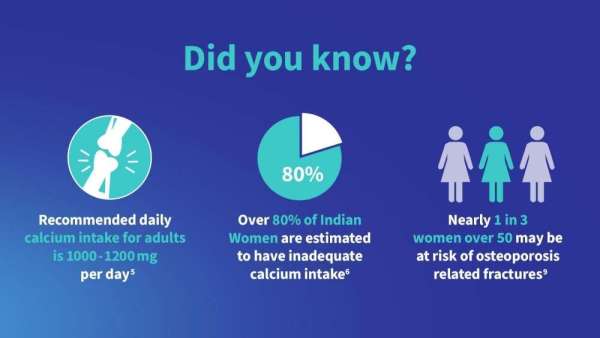
Some studies suggest that a 10% increase in peak Bone Mineral Density ("BMD") may delay the development of osteoporosis by 13 years2,3.
These symptoms are easy to overlook. This is where the real challenge lies: calcium needs change across life stages, and without consistent intake, maintaining long-term strength and mobility can become important over time.
Why early intervention matters?
Adequate calcium intake with sufficient vitamin D from early on has shown to reduce bone loss during peri and post menopause and reduce the fracture risk in postmenopausal women >60 yrs4.
What changes post menopause?
Bone loss may increase during the perimenopausal period and continue during the first five years following menopause. In postmenopausal women, there is an obligatory calcium loss of approximately 30 mg/day, primarily due to the decline in estrogen levels7,8. Estrogen is a hormone which plays a crucial role in maintaining calcium balance and bone metabolism.
Levels of estrogen in post-menopausal women are low which is associated with decreased intestinal calcium absorption and increased urinary calcium loss which could contribute to bone loss and increase risk of fracture5.
Additionally, this hormonal shift results in breakdown of bone tissue releasing calcium into blood rather than adding it into bone formation, which may cause an imbalance in bone remodelling (repair)5.
The increase in calcium loss from bone, combined with reduced absorption, can increase bone loss over time, contributing to an increased risk of brittle bones and other bone-related disorders.
Furthermore, calcium absorption not only declines due to low estrogen levels but may continue to decrease progressively with advancing age, increasing the possible risk of bone deterioration.
Meeting calcium needs in peri and post-menopause stages
As the body's needs evolve, maintaining a daily calcium intake becomes more important than ever. Experts recommend an intake of around 1000-1200 mg per day, along with sufficient Vitamin D3 to support proper calcium absorption and bone metabolism5. However, meeting these daily requirements of calcium intake through modern diet and changing lifestyles can be inconsistent. In such situations a balanced diet, physical exercise and calcium supplementation may help support the body's needs over time.
Shelcal500 for everyday calcium support
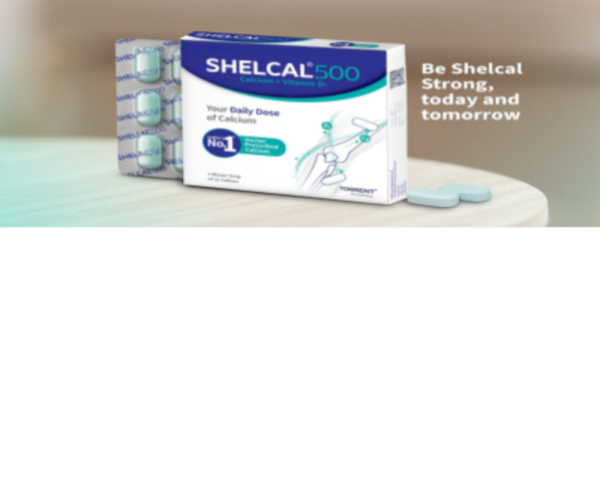
Shelcal500 is formulated to help support daily calcium requirements of adults. For supporting bone health, calcium and vitamin D intake is important especially in women during and after menopause.
Shelcal500 helps support bone strength and muscle function. Backed by decades of trust and India’s No.1 Doctor Prescribed Calcium (Source: SMSRC Data Feb 2026), Shelcal500 fits easily into everyday routines to help support bone health consistently.
Because menopause is not just a transition phase, it is a turning point for your bone health. Support your journey towards bone health and protect your bones when they need it the most. Be Shelcal Strong, Today & Tomorrow.
Note: This advertorial is an educational initiative intended to raise awareness about menopausal changes and their impact on bone health. It does not substitute professional medical advice, diagnosis, or treatment. Readers are encouraged to seek advice from qualified healthcare professionals regarding bone health and supplementation.
References:
*SMSRC Rx Research Data for Calcium products, MAT Feburary’2026.
1 https://pmc.ncbi.nlm.nih.gov/articles/PMC5643776/ Ji MX , Yu Q. Primary osteoporosis in postmenopausal women. Chronic Dis Transl Med. 2015 Mar 21;1(1):9-13.
2 https://pubmed.ncbi.nlm.nih.gov/38001982/ Akhiiarova K, Khusainova R, Minniakhmetov I, Mokrysheva N , Tyurin A. Peak Bone Mass Formation: Modern View of the Problem. Biomedicines. 2023; 11(11):2982.
3 https://pubmed.ncbi.nlm.nih.gov/12904837/ Hernandez CJ, Beaupré GS, Carter DR. A theoretical analysis of the relative influences of peak BMD, age-related bone loss and menopause on the development of osteoporosis. Osteoporos Int. 2003 Oct;14(10):843-7.
4 https://pubmed.ncbi.nlm.nih.gov/11256879/ The role of calcium in peri- and postmenopausal women: 2006 position statement of The North American Menopause Society. Menopause 13(6):p 862-877, November 2006.
5 https://pmc.ncbi.nlm.nih.gov/articles/PMC9190955/ Meeta M. How Much Calcium Does an Indian Postmenopausal Woman Need? J Midlife Health. 2022 Jan-Mar;13(1):9-14.
6 https://share.google/BeDPtQxuIriPrWUe8 Satyadeep, Kavinder, S. and Rohilla (2008) ‘A Cross Sectional Study On Assessment Of Calcium Deficiency And Problems Associatedwith This In Females Of Mangali Area Of Hisar’, International Journal Dental and Medical Sciences Research, 2(5), pp. 181–185.
7https://pubmed.ncbi.nlm.nih.gov/1991810/ Nordin BE, Need AG, Morris HA , Horowitz M , Robertson WG . Evidence for a renal calcium leak in postmenopausal women. J Clin Endocrinol Metab. 1991 Feb;72(2):401-7.
8 https://pmc.ncbi.nlm.nih.gov/articles/PMC9190955/ Meeta M. How Much Calcium Does an Indian Postmenopausal Woman Need? J Midlife Health. 2022 Jan-Mar;13(1):9-14.
9https://pubmed.ncbi.nlm.nih.gov/28293453/ Sozen T, Özışık L, Başaran NÇ. An overview and management of osteoporosis. Eur J Rheumatol. 2017 Mar;4(1):46-56.
Disclaimer:The views/suggestions/opinions expressed in the article are the sole responsibility of the experts and the brand concerned. This should not be considered a substitute for medical advice. Please consult your treating physician for more details. This article has been produced on behalf of Amway by Times Internet’s Spotlight team.
It is during this phase that bone loss tends to increase, often without obvious signs. In fact, up to 20% of bone density can be lost in the first 5-7 years after menopause, highlighting the importance of early awareness and consistent calcium intake1.
This process often occurs silently and may not always present with clear symptoms. Some individuals may experience early symptoms of calcium deficiency as:
- Muscle fatigue
- Joint discomfort
- Frequent tiredness
- Cramps or spasms
- Low energy levels
Some studies suggest that a 10% increase in peak Bone Mineral Density ("BMD") may delay the development of osteoporosis by 13 years2,3.
These symptoms are easy to overlook. This is where the real challenge lies: calcium needs change across life stages, and without consistent intake, maintaining long-term strength and mobility can become important over time.
Why early intervention matters?
Adequate calcium intake with sufficient vitamin D from early on has shown to reduce bone loss during peri and post menopause and reduce the fracture risk in postmenopausal women >60 yrs4.
What changes post menopause?
Bone loss may increase during the perimenopausal period and continue during the first five years following menopause. In postmenopausal women, there is an obligatory calcium loss of approximately 30 mg/day, primarily due to the decline in estrogen levels7,8. Estrogen is a hormone which plays a crucial role in maintaining calcium balance and bone metabolism.
Levels of estrogen in post-menopausal women are low which is associated with decreased intestinal calcium absorption and increased urinary calcium loss which could contribute to bone loss and increase risk of fracture5.
Additionally, this hormonal shift results in breakdown of bone tissue releasing calcium into blood rather than adding it into bone formation, which may cause an imbalance in bone remodelling (repair)5.
The increase in calcium loss from bone, combined with reduced absorption, can increase bone loss over time, contributing to an increased risk of brittle bones and other bone-related disorders.
Furthermore, calcium absorption not only declines due to low estrogen levels but may continue to decrease progressively with advancing age, increasing the possible risk of bone deterioration.
Meeting calcium needs in peri and post-menopause stages
As the body's needs evolve, maintaining a daily calcium intake becomes more important than ever. Experts recommend an intake of around 1000-1200 mg per day, along with sufficient Vitamin D3 to support proper calcium absorption and bone metabolism5. However, meeting these daily requirements of calcium intake through modern diet and changing lifestyles can be inconsistent. In such situations a balanced diet, physical exercise and calcium supplementation may help support the body's needs over time.
Shelcal500 for everyday calcium support
Shelcal500 is formulated to help support daily calcium requirements of adults. For supporting bone health, calcium and vitamin D intake is important especially in women during and after menopause.
Shelcal500 helps support bone strength and muscle function. Backed by decades of trust and India’s No.1 Doctor Prescribed Calcium (Source: SMSRC Data Feb 2026), Shelcal500 fits easily into everyday routines to help support bone health consistently.
Because menopause is not just a transition phase, it is a turning point for your bone health. Support your journey towards bone health and protect your bones when they need it the most. Be Shelcal Strong, Today & Tomorrow.
Note: This advertorial is an educational initiative intended to raise awareness about menopausal changes and their impact on bone health. It does not substitute professional medical advice, diagnosis, or treatment. Readers are encouraged to seek advice from qualified healthcare professionals regarding bone health and supplementation.
References:
*SMSRC Rx Research Data for Calcium products, MAT Feburary’2026.
1 https://pmc.ncbi.nlm.nih.gov/articles/PMC5643776/ Ji MX , Yu Q. Primary osteoporosis in postmenopausal women. Chronic Dis Transl Med. 2015 Mar 21;1(1):9-13.
2 https://pubmed.ncbi.nlm.nih.gov/38001982/ Akhiiarova K, Khusainova R, Minniakhmetov I, Mokrysheva N , Tyurin A. Peak Bone Mass Formation: Modern View of the Problem. Biomedicines. 2023; 11(11):2982.
3 https://pubmed.ncbi.nlm.nih.gov/12904837/ Hernandez CJ, Beaupré GS, Carter DR. A theoretical analysis of the relative influences of peak BMD, age-related bone loss and menopause on the development of osteoporosis. Osteoporos Int. 2003 Oct;14(10):843-7.
4 https://pubmed.ncbi.nlm.nih.gov/11256879/ The role of calcium in peri- and postmenopausal women: 2006 position statement of The North American Menopause Society. Menopause 13(6):p 862-877, November 2006.
5 https://pmc.ncbi.nlm.nih.gov/articles/PMC9190955/ Meeta M. How Much Calcium Does an Indian Postmenopausal Woman Need? J Midlife Health. 2022 Jan-Mar;13(1):9-14.
6 https://share.google/BeDPtQxuIriPrWUe8 Satyadeep, Kavinder, S. and Rohilla (2008) ‘A Cross Sectional Study On Assessment Of Calcium Deficiency And Problems Associatedwith This In Females Of Mangali Area Of Hisar’, International Journal Dental and Medical Sciences Research, 2(5), pp. 181–185.
7https://pubmed.ncbi.nlm.nih.gov/1991810/ Nordin BE, Need AG, Morris HA , Horowitz M , Robertson WG . Evidence for a renal calcium leak in postmenopausal women. J Clin Endocrinol Metab. 1991 Feb;72(2):401-7.
8 https://pmc.ncbi.nlm.nih.gov/articles/PMC9190955/ Meeta M. How Much Calcium Does an Indian Postmenopausal Woman Need? J Midlife Health. 2022 Jan-Mar;13(1):9-14.
9https://pubmed.ncbi.nlm.nih.gov/28293453/ Sozen T, Özışık L, Başaran NÇ. An overview and management of osteoporosis. Eur J Rheumatol. 2017 Mar;4(1):46-56.
Disclaimer:The views/suggestions/opinions expressed in the article are the sole responsibility of the experts and the brand concerned. This should not be considered a substitute for medical advice. Please consult your treating physician for more details. This article has been produced on behalf of Amway by Times Internet’s Spotlight team.
Contact to : xlf550402@gmail.com
Copyright © boyuanhulian 2020 - 2023. All Right Reserved.